Jun 26, 2026
Why Every Home with Babies and Young Children Should Have an Air Purifier
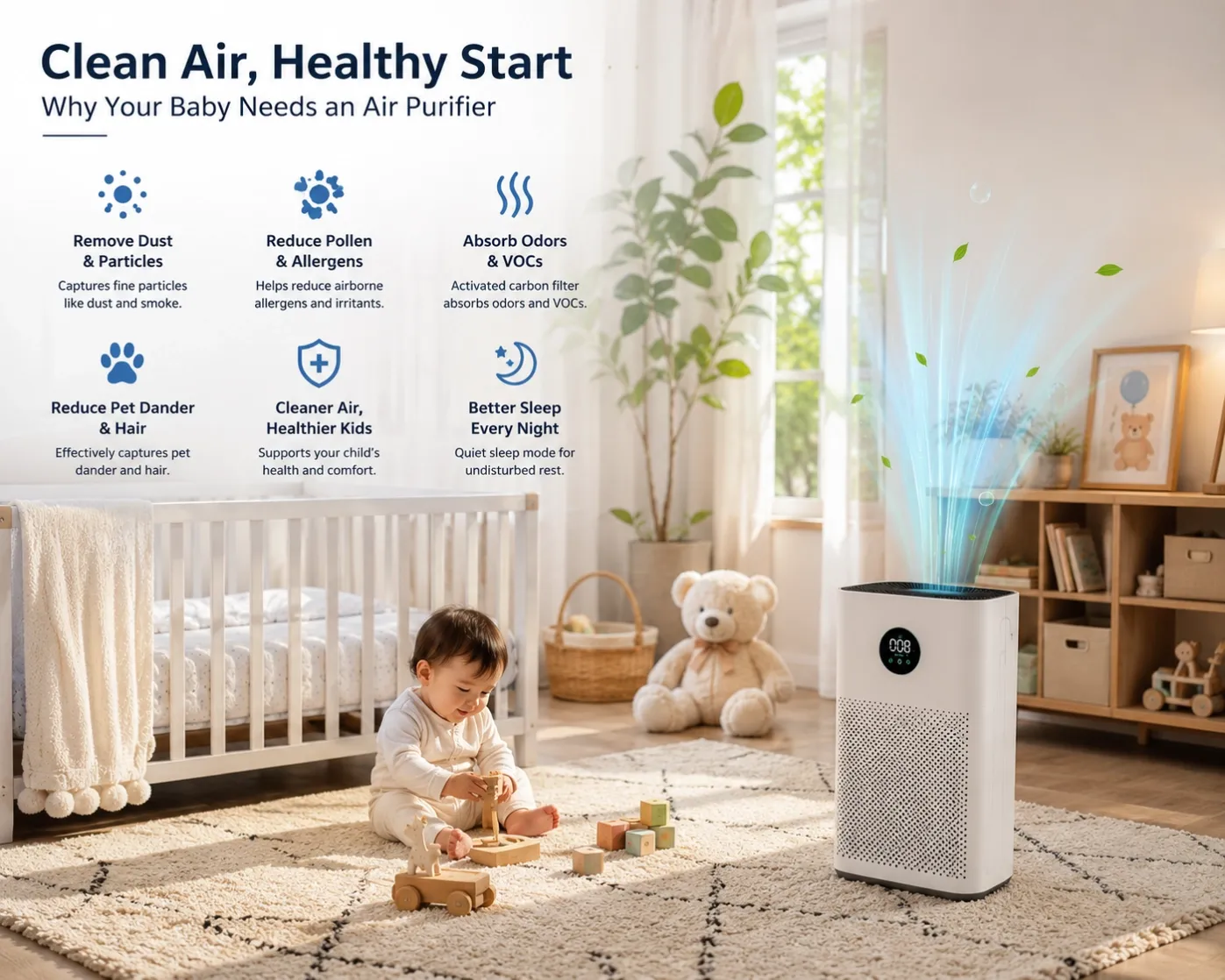
Infants and young children spend nearly 90% of their time indoors during their first few years of life. Whether sleeping in the nursery, playing on the floor, or resting in the living room,
Why Every Home with Babies and Young Children Should Have an Air Purifier
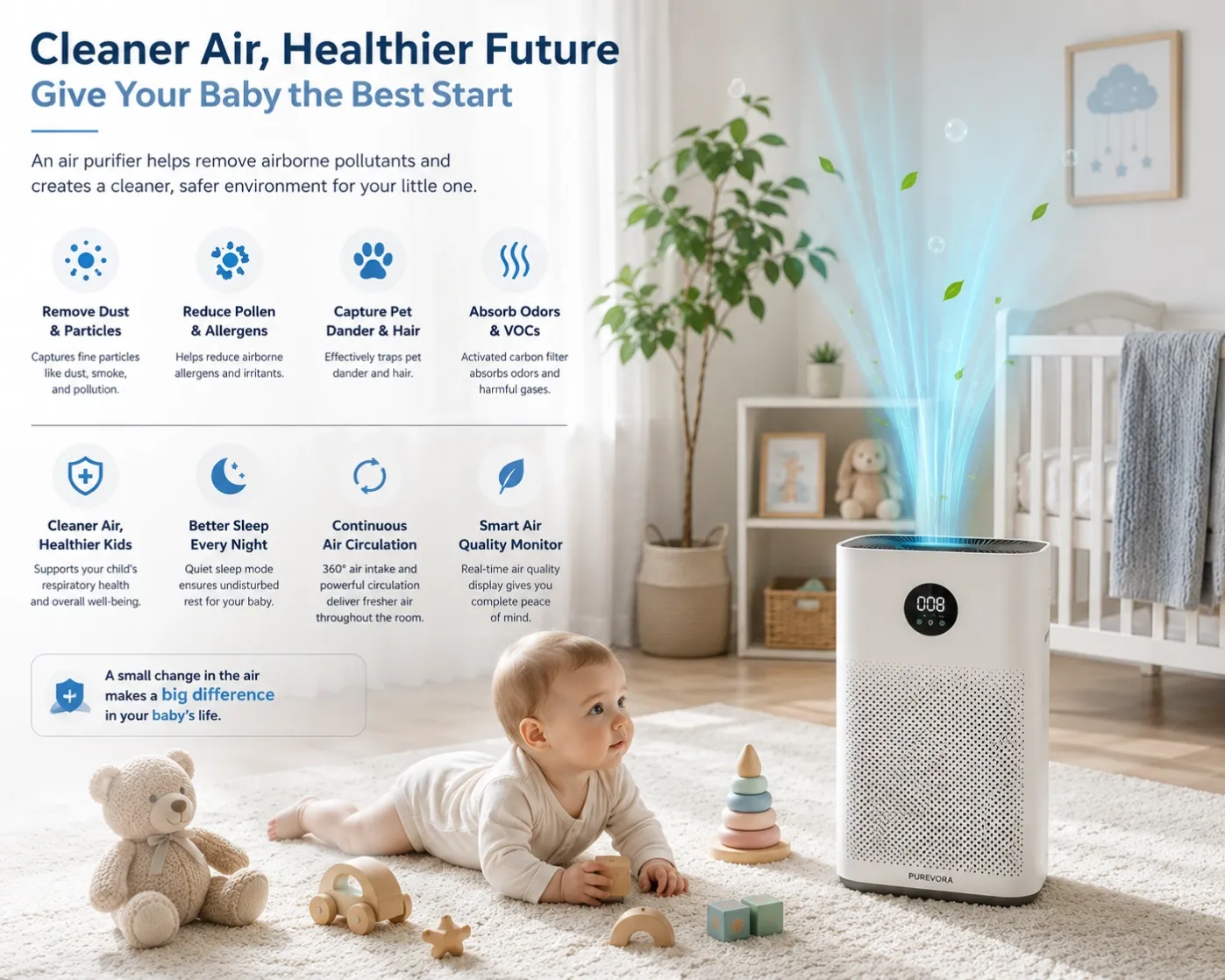
When preparing for a new baby, most parents focus on essentials such as cribs, strollers, diapers, baby monitors, and feeding supplies. While these items are undoubtedly important, one critical factor is often overlooked—the quality of the air babies breathe every single day.
Infants and young children spend nearly 90% of their time indoors during their first few years of life. Whether sleeping in the nursery, playing on the floor, or resting in the living room, they continuously breathe the air surrounding them. Unfortunately, indoor air is not always as clean as it appears.
Invisible pollutants such as dust, allergens, bacteria, pet dander, volatile organic compounds (VOCs), smoke particles, and airborne contaminants may accumulate inside homes. Since babies have developing lungs and immature immune systems, they are often more vulnerable to poor indoor air quality than adults.
This is why more parents are choosing to include an air purifier as part of their baby's healthy home environment.
Why Babies Are More Sensitive to Indoor Air Pollution
Babies are not simply "small adults." Their bodies function differently, making them more susceptible to airborne pollutants.
1. Developing Respiratory System
A baby's lungs continue developing after birth. During the first several years, their respiratory system is still growing, making it easier for pollutants to irritate the airways.
Exposure to polluted indoor air may increase respiratory discomfort and make breathing less comfortable, especially during allergy seasons or periods of poor outdoor air quality.
2. Higher Breathing Rate
Infants breathe much faster than adults.
A newborn may breathe 30 to 60 times per minute, nearly twice the breathing rate of an adult. This means babies inhale more air—and potentially more airborne particles—relative to their body size.
3. Immature Immune System
Young children are still developing natural immune defenses.
Their bodies are less efficient at filtering and responding to environmental pollutants, making a cleaner indoor environment especially valuable during early childhood.
4. Longer Time Indoors
Unlike adults, babies spend most of their day indoors sleeping, crawling, and playing.
If indoor air contains dust, allergens, or other contaminants, exposure occurs continuously throughout the day.
Common Indoor Air Pollutants Found in Homes
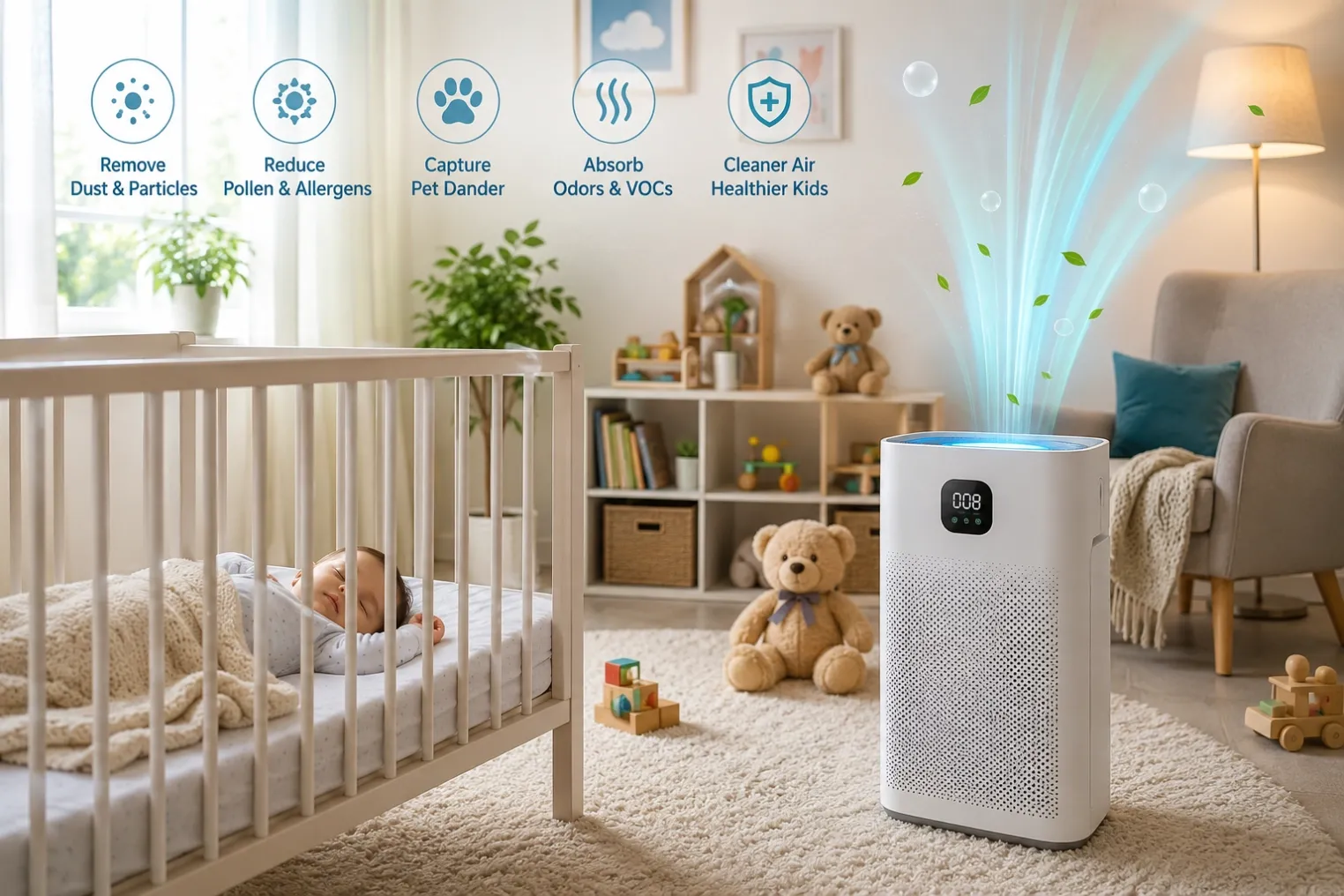
Many people believe outdoor pollution is the primary concern. In reality, indoor air can contain a surprising variety of contaminants.
Dust
Dust is made up of tiny particles including fabric fibers, skin cells, pollen, microscopic debris, and other household particles.
Babies crawling on the floor are naturally closer to accumulated dust than adults.
Pet Dander
Families with dogs or cats often experience airborne pet hair and microscopic skin flakes.
Even if pets are clean and healthy, these particles can remain suspended in the air for hours.
Pollen
Pollen enters homes through open windows, clothing, shoes, and pets.
Once inside, it settles on furniture, carpets, bedding, and toys.
Mold Spores
Bathrooms, kitchens, laundry rooms, and damp areas may release microscopic mold spores into the air.
Smoke Particles
Cooking fumes, candles, fireplaces, and occasional outdoor wildfire smoke can introduce fine particulate matter into indoor spaces.
Volatile Organic Compounds (VOCs)
Many everyday products release VOCs, including:
• New furniture
• Fresh paint
• Flooring materials
• Cleaning products
• Air fresheners
• Adhesives
• Baby furniture
Although concentrations vary, reducing airborne VOCs helps improve overall indoor air quality.
How Does an Air Purifier Work?
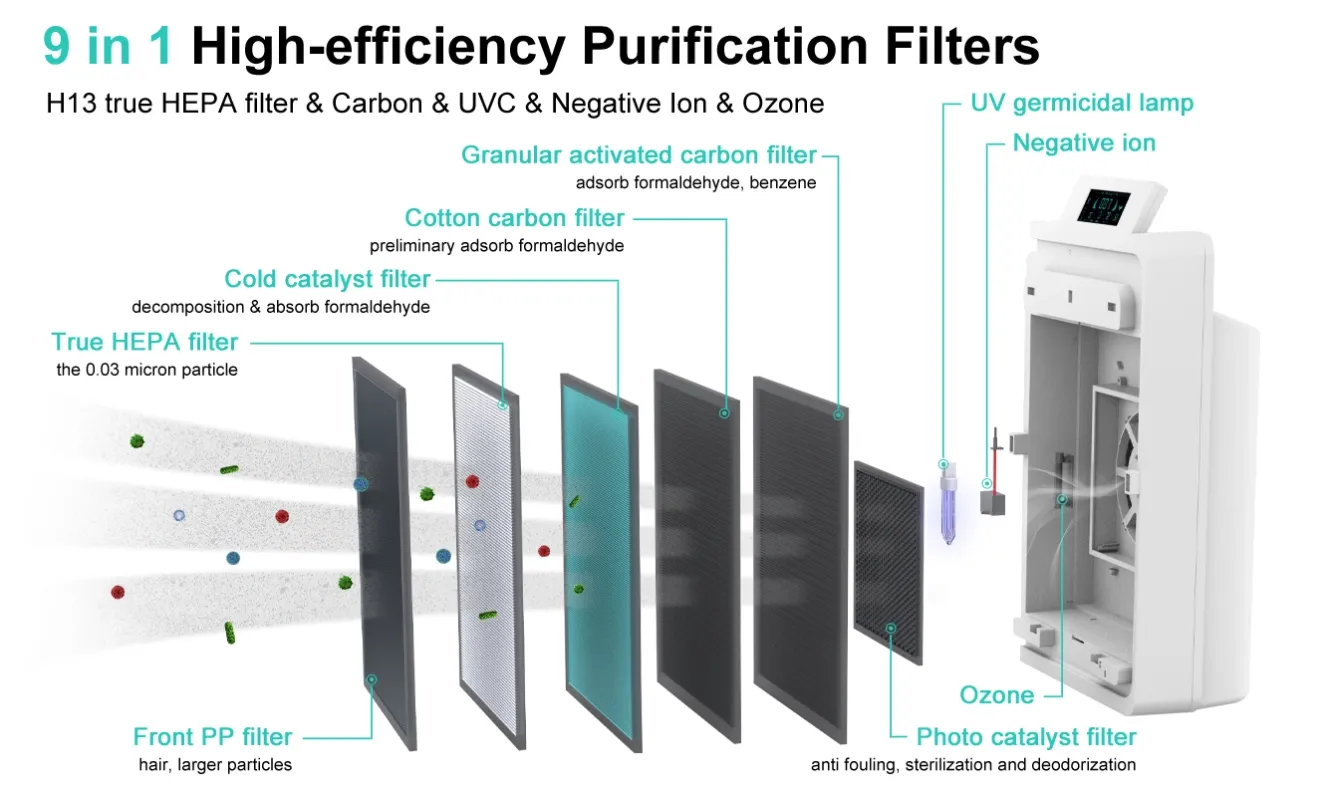
An air purifier continuously circulates indoor air through a multi-stage filtration system.
The basic process is simple but highly effective.
Step 1: Air Intake
A powerful fan pulls contaminated indoor air into the purifier.
Step 2: Pre-Filter
Large particles such as hair, lint, and visible dust are captured first.
This extends the life of the primary filters.
Step 3: HEPA Filter
The HEPA filter is the heart of the purification system.
High-Efficiency Particulate Air (HEPA) filters capture extremely small airborne particles, including:
• Fine dust
• Pollen
• Pet dander
• Smoke particles
• Many airborne allergens
• Other microscopic particulates
Step 4: Activated Carbon Filter
Activated carbon contains millions of microscopic pores.
These pores absorb gases and odors rather than simply trapping particles.
Activated carbon helps reduce:
• Cooking odors
• Pet smells
• Smoke odors
• VOCs
• Household chemical smells
Step 5: Clean Air Release
After passing through multiple filtration stages, cleaner air is released back into the room.
This process repeats continuously, gradually improving overall indoor air quality.
Additional Features Modern Air Purifiers Offer
Today's advanced air purifiers include intelligent features that improve both convenience and performance.
Real-Time Air Quality Monitoring
Built-in sensors detect airborne particles and automatically display current air quality.
Parents can immediately understand the indoor environment without guessing.
Auto Mode
When pollution levels increase, the purifier automatically increases fan speed.
Once the air becomes cleaner, it returns to a quieter operating mode.
Sleep Mode
Babies need uninterrupted sleep.
Sleep Mode reduces operating noise while maintaining continuous air purification throughout the night.
Child Lock
Curious toddlers love pressing buttons.
A child lock prevents accidental changes to operating settings.
Filter Replacement Reminder
The purifier reminds users when filters need replacement, ensuring consistent purification performance.
How Air Purifiers Benefit Babies and Young Children
Although no air purifier can prevent illness or replace medical care, cleaner indoor air may help create a healthier living environment in several ways.
Cleaner Breathing Environment
Removing airborne particles helps maintain fresher indoor air, making everyday breathing more comfortable.
Reduced Dust Accumulation
Continuous filtration removes airborne dust before it settles on furniture, toys, and nursery surfaces.
Parents often notice less visible dust throughout the home.
Improved Sleep Environment
Babies spend 12 to 16 hours sleeping each day.
Cleaner air combined with quiet operation helps create a more comfortable sleeping environment.
Better Indoor Comfort During Allergy Seasons
Seasonal pollen and outdoor pollution often enter homes.
Air purification helps reduce airborne particles indoors, providing a cleaner environment when windows remain closed.
Fresher-Smelling Nursery
Activated carbon filtration helps minimize everyday household odors, creating a fresher nursery without relying on artificial fragrances.
Homes with Pets
Many babies grow up alongside beloved family pets.
Air purifiers help capture airborne pet hair and dander while reducing pet-related odors, allowing families to enjoy cleaner shared spaces.
Homes Near Busy Roads
Traffic emissions can introduce fine particles into nearby homes.
Keeping windows closed and operating an air purifier helps improve indoor air quality.
New Homes and Renovations
Fresh paint, new flooring, furniture, and cabinets may release VOCs for weeks or even months.
Air purification can be part of an overall strategy to improve indoor air quality during this period.
Choosing the Right Air Purifier for Your Family
Not all air purifiers are created equal.
When selecting a purifier for a baby's room, consider the following:
✔ True HEPA filtration
✔ Activated carbon filter
✔ Quiet sleep mode
✔ Auto mode with intelligent sensors
✔ Child lock
✔ Appropriate room coverage
✔ Energy-efficient operation
✔ Easy filter replacement
Creating a Healthier Home Starts with Cleaner Air
Parents cannot control outdoor pollution, seasonal allergens, or every environmental factor their children encounter.
However, they can improve the quality of the air inside the place where their children spend most of their time.
An air purifier is not simply another household appliance—it is an investment in a cleaner, more comfortable indoor environment for the entire family.
From newborns to toddlers, cleaner indoor air supports a fresher home, reduces airborne particles, minimizes odors, and helps parents create a healthier living space where children can grow, sleep, and play comfortably.
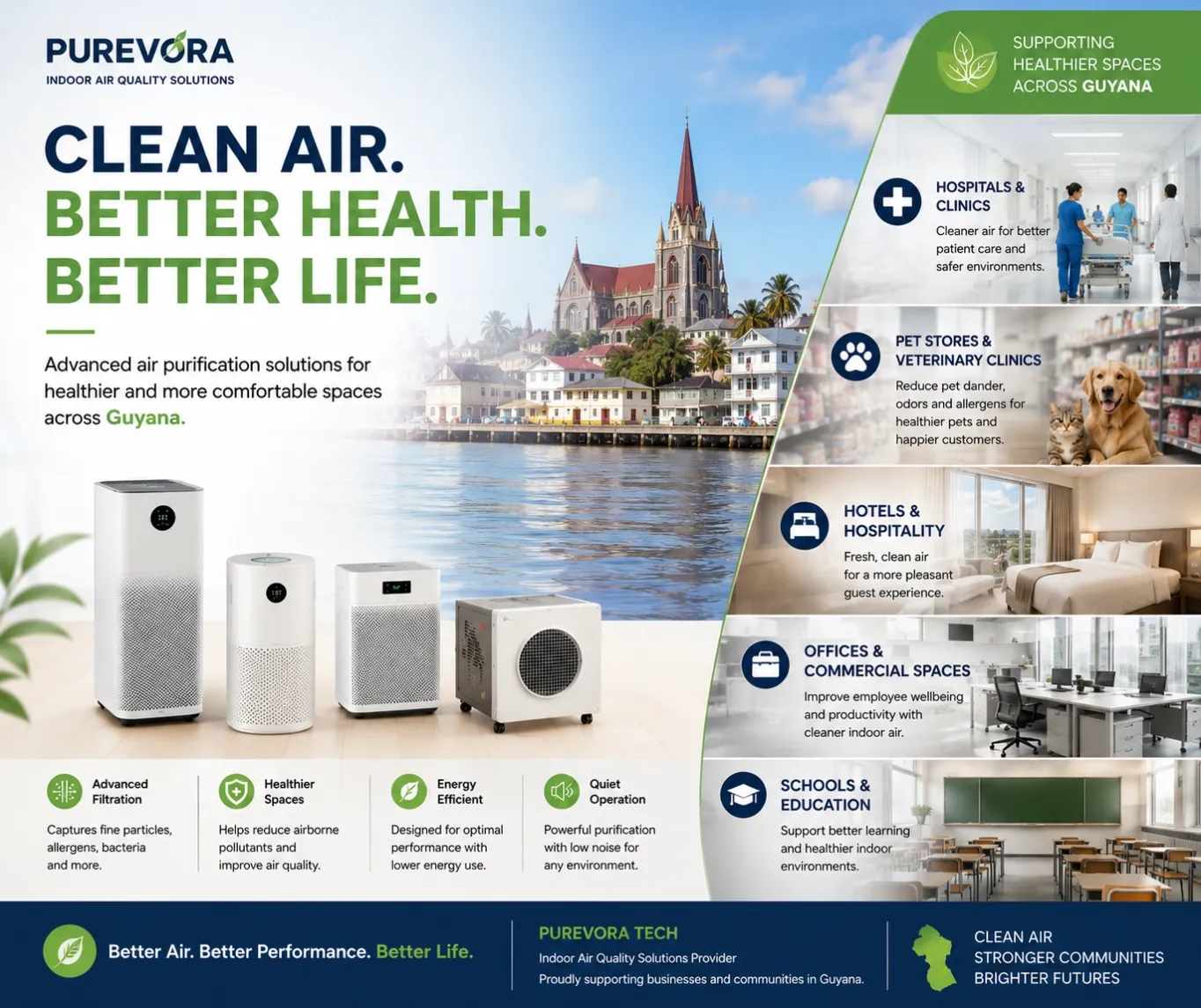
At PurevoraTech, we design advanced air purification solutions equipped with multi-stage filtration, intelligent air quality monitoring, quiet sleep mode, activated carbon filtration, and high-efficiency HEPA technology to help families breathe cleaner air every day.
Because every child deserves the cleanest air possible—starting at home.