Jun 26, 2026
How Does an Air Purifier Work and Why Does Every Home Need One?
An air purifier is a device designed to remove harmful particles and pollutants from indoor air. It continuously draws in contaminated air, filters out unwanted particles, and releases cleaner,
How Does an Air Purifier Work and Why Does Every Home Need One?
Every day, we breathe around 20,000 times without even thinking about it.
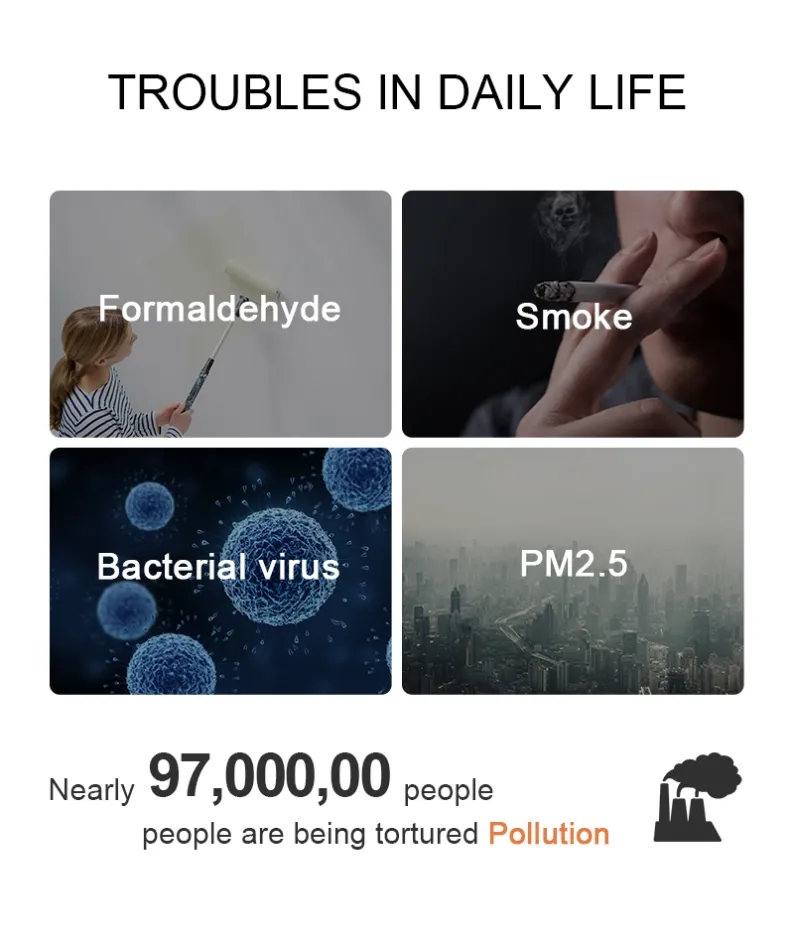
Most people assume that the air inside their homes is cleaner than the air outside. Surprisingly, studies have shown that indoor air can often be more polluted than outdoor air. Dust, pet dander, pollen, smoke particles, mold spores, bacteria, cooking odors, and volatile organic compounds (VOCs) continuously circulate inside our homes, offices, schools, and vehicles.
Because modern buildings are designed to be energy-efficient and airtight, many airborne pollutants become trapped indoors. Over time, these contaminants can affect our comfort, sleep quality, respiratory health, and overall well-being.
This is where an air purifier becomes an essential part of a healthy indoor environment.
What Is an Air Purifier?
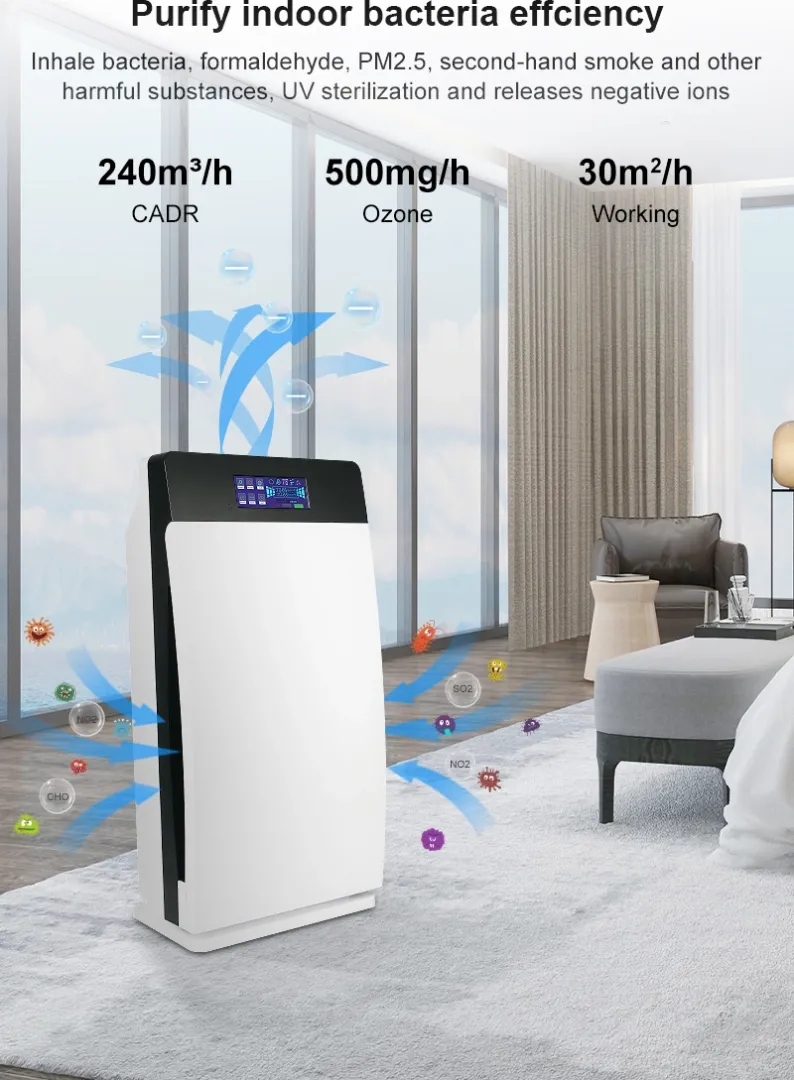
An air purifier is a device designed to remove harmful particles and pollutants from indoor air. It continuously draws in contaminated air, filters out unwanted particles, and releases cleaner, fresher air back into the room.
Think of it as a dedicated cleaning system for the air you breathe.
Unlike vacuum cleaners that remove dust from floors and furniture, air purifiers target microscopic particles floating in the air that are often invisible to the naked eye.
How Does an Air Purifier Work?
Although different models may include different technologies, most modern air purifiers follow the same basic process:
Step 1: Air Intake
A built-in fan pulls surrounding air into the purifier.
This air may contain:
• Dust
• Pet hair
• Pet dander
• Pollen
• Smoke particles
• Mold spores
• Bacteria
• Allergens
• Household odors
• PM2.5 particles
The fan continuously circulates air throughout the room to ensure effective purification.
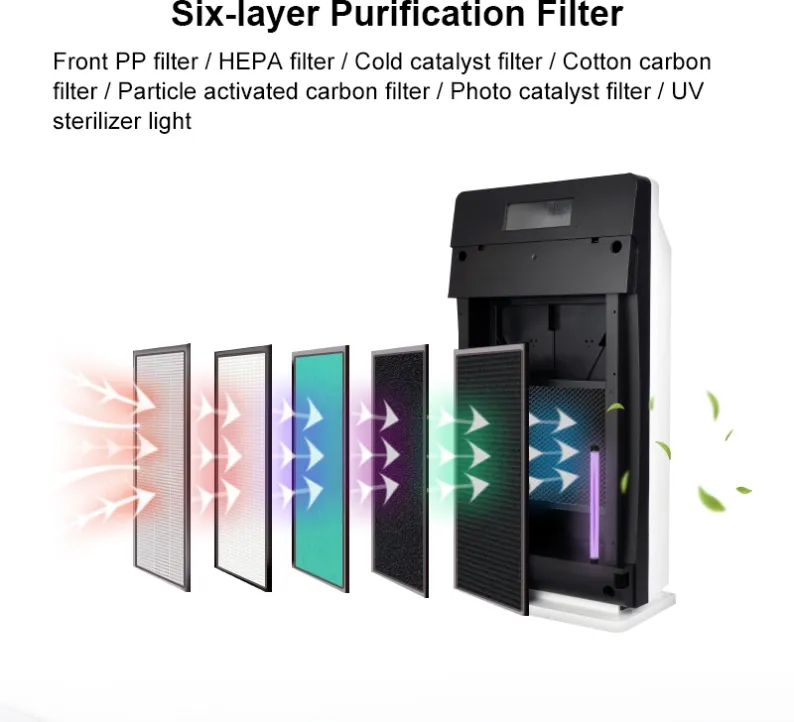
Step 2: Pre-Filter Captures Larger Particles
The first layer is usually a pre-filter.
Its job is to capture larger airborne particles such as:
• Hair
• Dust
• Lint
• Pet fur
• Fibers
By trapping these larger particles first, the pre-filter helps extend the life of the main filtration system.
For pet owners, this stage is particularly important because pet hair can quickly accumulate throughout the home.
Step 3: HEPA Filter Removes Fine Particles
The heart of most air purifiers is the HEPA filter.
HEPA stands for High-Efficiency Particulate Air.
A true HEPA filter can capture up to 99.97% of airborne particles as small as 0.3 microns.
These include:
• Dust mites
• Pollen
• Pet dander
• Mold spores
• Fine dust
• Allergens
• PM2.5 particles
To understand how small 0.3 microns is, consider that a human hair is approximately 70 microns wide.
This means a HEPA filter can capture particles hundreds of times smaller than a strand of hair.
For allergy sufferers and asthma patients, HEPA filtration is often the most valuable feature of an air purifier.
Step 4: Activated Carbon Filter Removes Odors
Many premium air purifiers include an activated carbon filter.
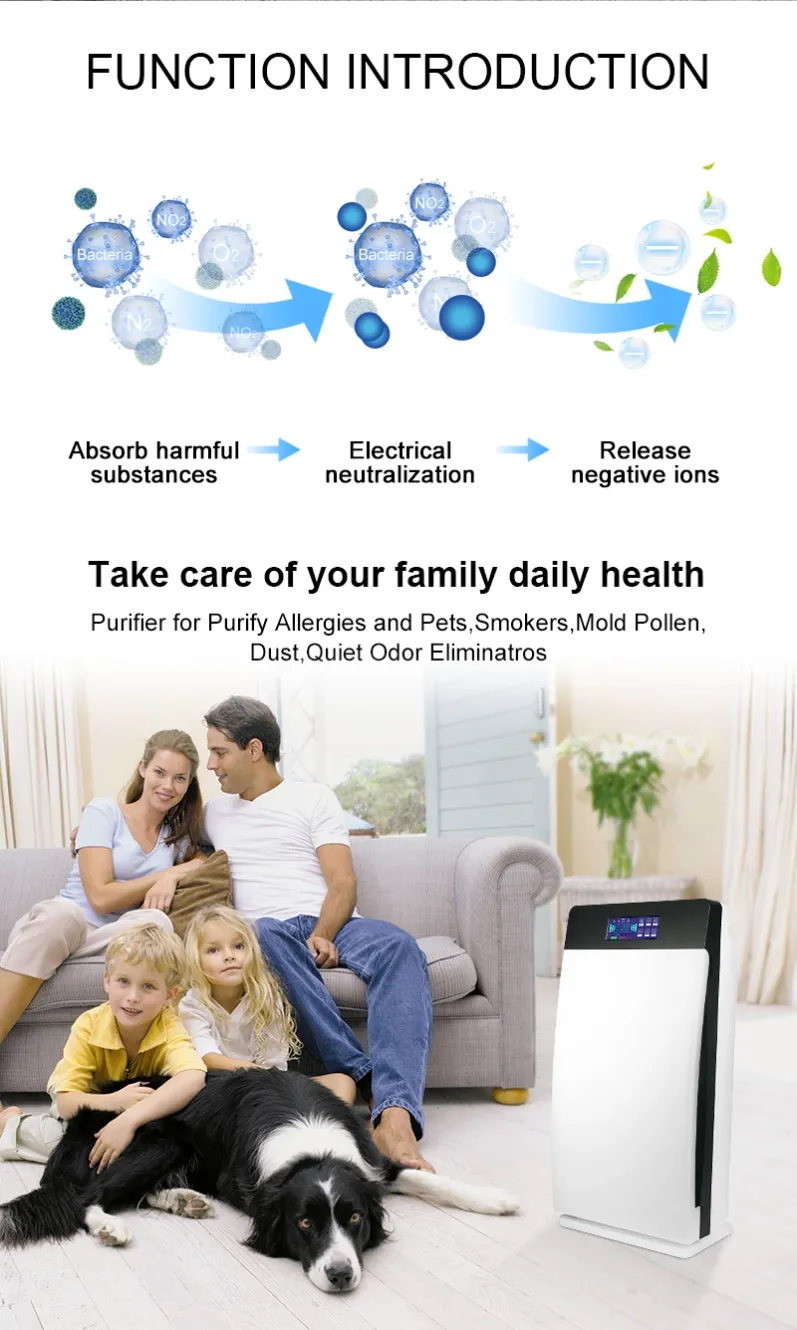
Unlike HEPA filters, which capture particles, activated carbon absorbs gases and odors.
It can help reduce:
• Pet odors
• Cooking smells
• Smoke odors
• VOCs from furniture and paint
• Household chemical fumes
• Unpleasant indoor smells
Activated carbon contains millions of microscopic pores that trap odor-causing molecules before they spread throughout the room.
Step 5: Additional Air Treatment Technologies
Many advanced air purifiers include extra purification technologies such as:
UV-C Sterilization
Ultraviolet light can help reduce bacteria and microorganisms passing through the purifier.
Negative Ion Technology
Negative ions attach themselves to airborne particles, making them easier to capture by filters.
Smart Air Quality Monitoring
Modern air purifiers often include PM2.5 sensors that monitor indoor air quality in real time.
When pollution levels rise, the purifier automatically increases fan speed to maintain cleaner air.
WiFi Smart Control
Users can monitor air quality and control the purifier remotely through mobile applications.
Why Is an Air Purifier Important?
- Helps Allergy Sufferers
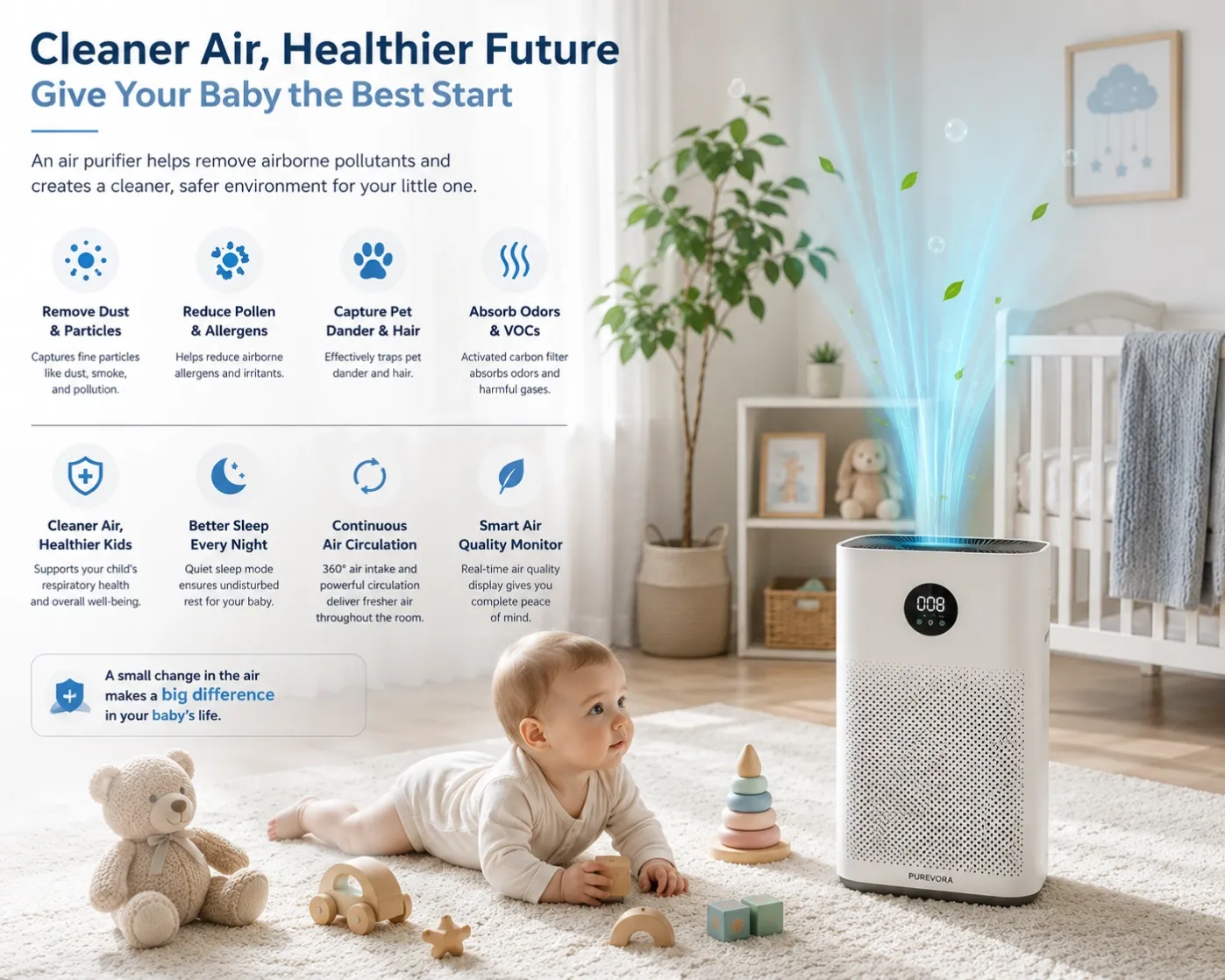
Millions of people experience allergies caused by pollen, dust mites, and pet dander.
These particles remain suspended in the air and can trigger:
• Sneezing
• Runny nose
• Itchy eyes
• Nasal congestion
• Respiratory discomfort
A quality air purifier helps remove these triggers from the indoor environment.
- Supports Respiratory Health
Cleaner air means fewer airborne irritants entering the lungs.
This can be especially beneficial for:
• Children
• Elderly individuals
• Asthma sufferers
• People with respiratory sensitivities
Reducing airborne particles may contribute to a healthier indoor environment and more comfortable breathing.
- Creates a Better Home for Pet Owners
Pets bring joy and companionship, but they also introduce airborne contaminants.
Pet owners often struggle with:
• Floating pet hair
• Dander
• Odors
• Allergens
Pet dander is one of the most common causes of indoor allergies.
An air purifier helps capture these particles before they settle on furniture, carpets, bedding, and clothing.
- Improves Sleep Quality
Many people underestimate how air quality affects sleep.
Cleaner air can create a fresher and more comfortable bedroom environment.
When fewer allergens and irritants are present, people often experience more restful nights and wake up feeling refreshed.
- Reduces Indoor Odors
Cooking, pets, smoke, and household chemicals can create persistent odors.
Activated carbon filtration helps absorb these odors rather than simply masking them with fragrances.
The result is a cleaner and fresher-smelling home.
- Protects Children and Elderly Family Members
Children breathe more rapidly than adults and are often more sensitive to airborne pollutants.
Elderly individuals may also be more vulnerable to poor indoor air quality.
An air purifier provides an additional layer of protection for the family members who need it most.
Where Should Air Purifiers Be Used?
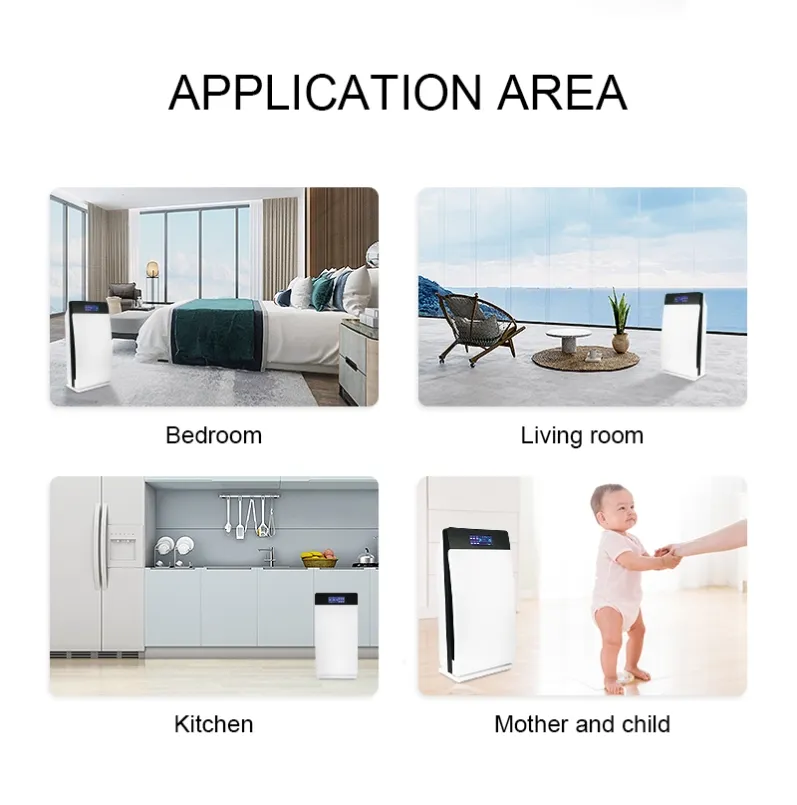
Air purifiers are suitable for many indoor environments, including:
• Homes
• Bedrooms
• Living rooms
• Offices
• Schools
• Nurseries
• Pet rooms
• Clinics
• Waiting areas
• Hotels
• Vehicles
Anywhere people spend significant time indoors can benefit from cleaner air.
The Future of Indoor Air Quality
As people become more aware of health and wellness, indoor air quality is receiving greater attention than ever before.
Clean water has long been considered essential for health.
Today, clean air is becoming just as important.
An air purifier is no longer viewed as a luxury appliance. It is increasingly becoming a practical investment in comfort, health, and quality of life.
By removing airborne pollutants, reducing allergens, controlling odors, and improving overall indoor air quality, air purifiers help create healthier environments for families, pets, employees, and customers.
Because every breath matters, cleaner air starts with smarter air purification.