Jun 26, 2026
Why Are Asthma Symptoms Getting Worse This Year?
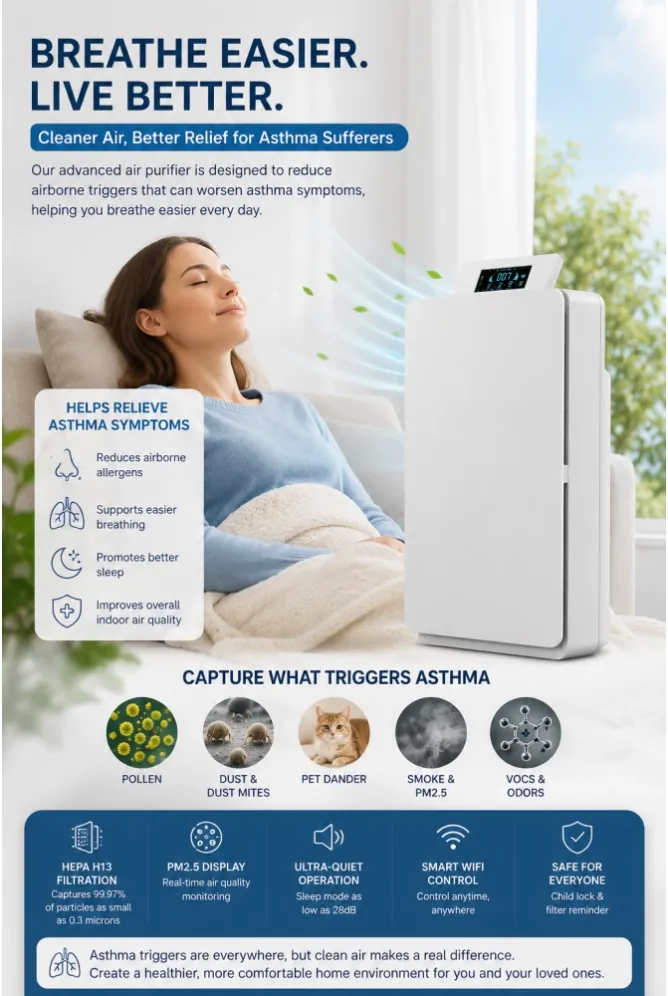
Modern air purifiers equipped with HEPA filtration technology can effectively capture airborne particles such as pollen, dust, pet dander, mold spores, and PM2.5 pollutants.
Why Are Asthma Symptoms Getting Worse This Year?
If you feel like your asthma symptoms have become more frequent or more severe recently, you're not alone. Across many regions, people with asthma and respiratory sensitivities are reporting increased symptoms, including coughing, wheezing, shortness of breath, and chest tightness.
Several environmental factors are contributing to this trend.
1. Longer and More Intense Pollen Seasons
Pollen levels have reached record highs in many areas. Warmer temperatures and longer growing seasons have caused trees, grasses, and weeds to release pollen earlier and for longer periods throughout the year.
For asthma sufferers, increased pollen exposure can trigger inflammation in the airways and lead to more frequent respiratory symptoms.
2. Wildfire Smoke and Outdoor Air Pollution
Wildfires have become increasingly common across many parts of the world. Smoke from these events contains fine particulate matter (PM2.5) that can travel hundreds of miles and remain suspended in the air for extended periods.
These microscopic particles can penetrate deep into the lungs, aggravating asthma symptoms and reducing overall air quality, even in areas far from the original fire source.
3. Hidden Indoor Air Pollutants
While outdoor air quality often receives the most attention, indoor air can sometimes be even more polluted.
Everyday activities such as:
• Cooking
• Cleaning
• Home renovations
• Burning candles
• Pet ownership
• Poor ventilation
can release airborne particles and irritants that may worsen asthma symptoms.
Dust, pet dander, mold spores, VOCs (Volatile Organic Compounds), and household chemicals can accumulate indoors and continuously affect respiratory health.
Why Indoor Air Quality Matters
Most people spend approximately 90% of their time indoors. As a result, the quality of the air inside homes, offices, schools, and healthcare facilities plays a significant role in overall well-being.
Improving indoor air quality can help reduce exposure to common asthma triggers and create a healthier environment for:
• Asthma sufferers
• Allergy sufferers
• Children
• Elderly individuals
• Pet owners
How Air Purifiers Can Help
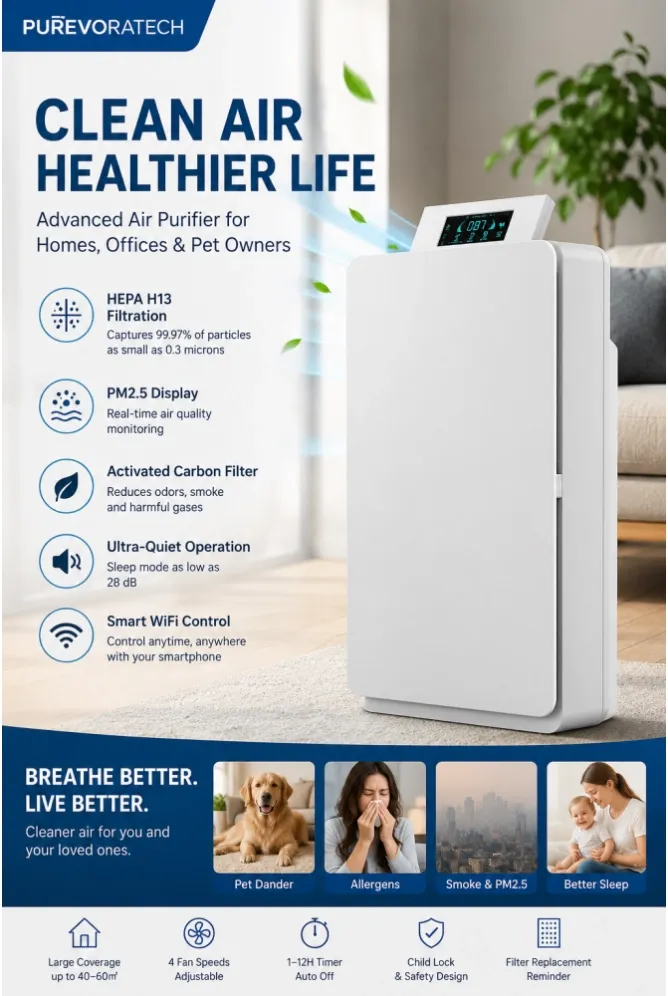
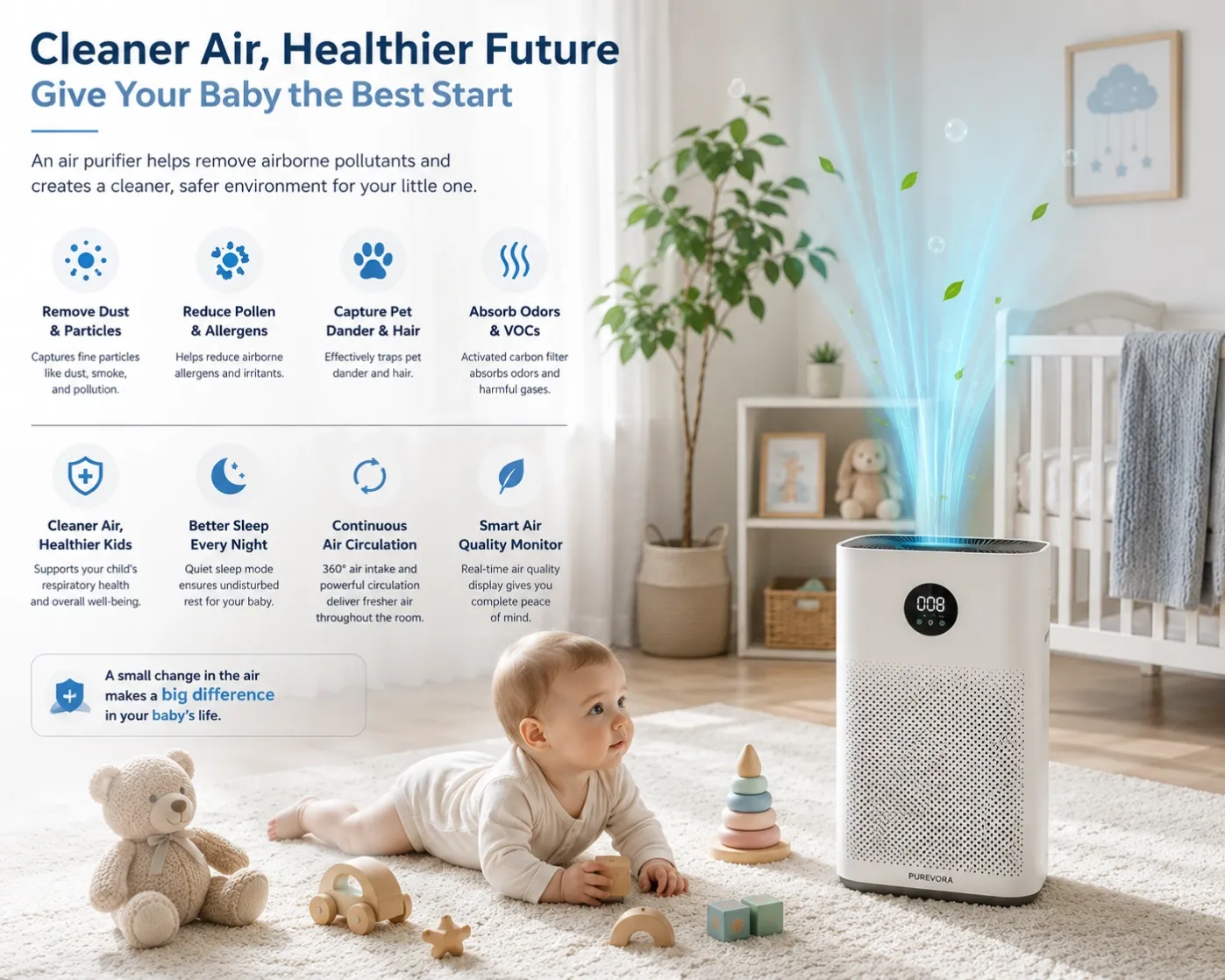
Modern air purifiers equipped with HEPA filtration technology can effectively capture airborne particles such as pollen, dust, pet dander, mold spores, and PM2.5 pollutants.
Many advanced systems also include activated carbon filters to help reduce odors and volatile organic compounds released from household products and building materials.
By continuously filtering indoor air, air purifiers can help create a cleaner and more comfortable living environment, especially during periods of high pollen counts, wildfire smoke events, or increased indoor pollution.
Creating Healthier Indoor Spaces
As environmental challenges continue to affect air quality worldwide, maintaining clean indoor air has become more important than ever.
Understanding the factors behind worsening asthma symptoms is the first step toward creating healthier indoor environments for families, employees, customers, and communities.
Have you noticed changes in your asthma symptoms this year?
We'd love to hear your experience and learn what steps you're taking to improve your indoor air quality.