Jun 26, 2026
How Good Air Quality Can Improve Your Sleep Quality
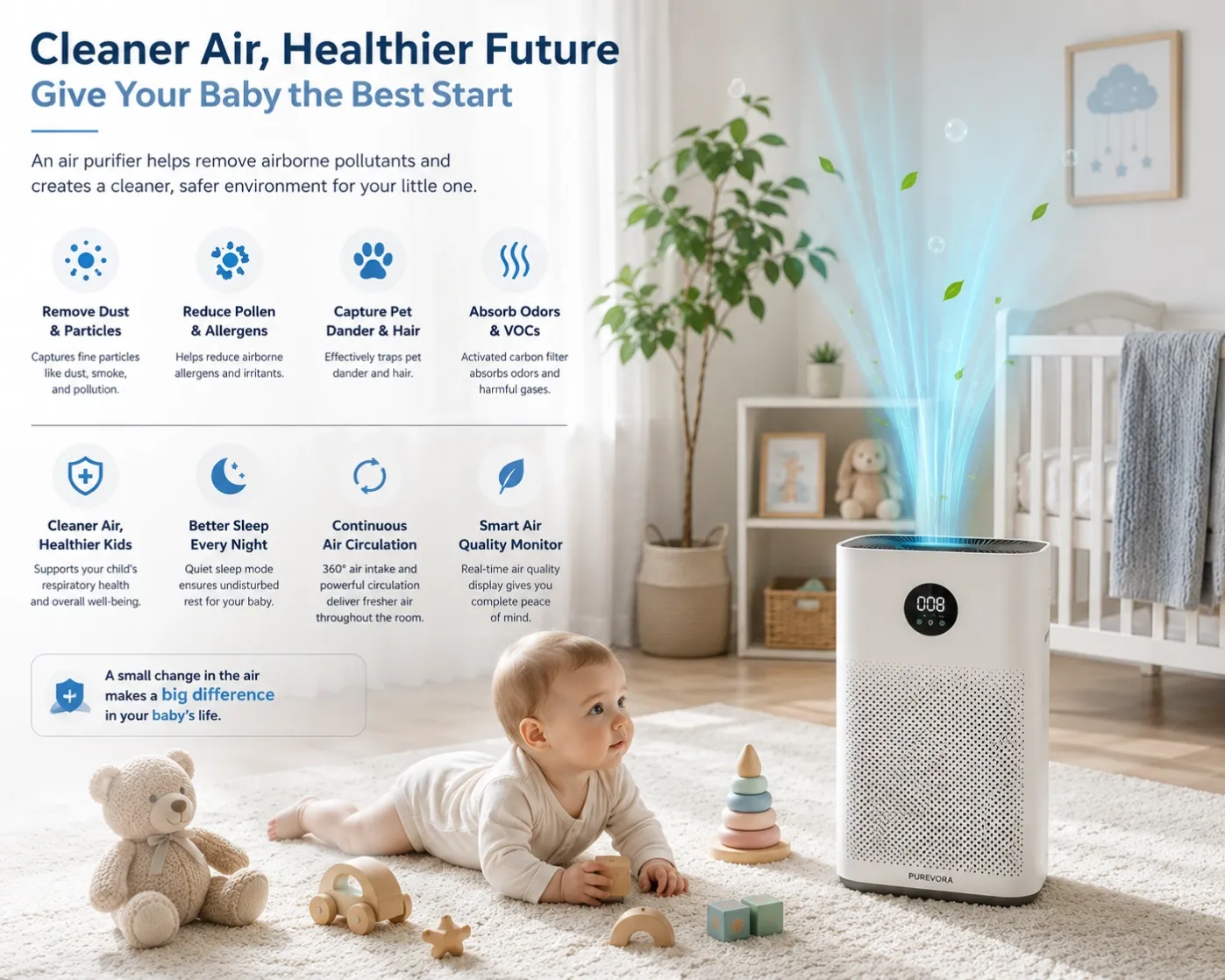
Clean air helps keep airways clear and comfortable. Reduced exposure to airborne particles can make breathing feel easier and more natural, allowing your body to remain relaxed throughout the night.
How Good Air Quality Can Improve Your Sleep Quality
Most people understand the importance of a comfortable mattress, a quiet bedroom, and a consistent bedtime routine. However, one crucial factor is often overlooked: the quality of the air you breathe while sleeping.
Considering that we spend approximately one-third of our lives asleep, the air in our bedrooms can have a significant impact on sleep quality, overall health, and daily performance. Poor indoor air quality may contribute to restless nights, breathing difficulties, allergies, and fatigue, while cleaner air can help create a healthier and more restorative sleep environment.
Why Air Quality Matters During Sleep
While sleeping, your body enters a recovery mode. Your breathing slows, muscles relax, and important physiological processes take place to restore energy and support immune function.
If the air in your bedroom contains excessive dust, allergens, pet dander, odors, or airborne pollutants, your body may work harder to breathe comfortably. This can interrupt sleep cycles and reduce the quality of rest.
Common indoor air pollutants include:
- Dust and dust mites
- Pet hair and pet dander
- Pollen
- Mold spores
- Smoke particles
- Volatile Organic Compounds (VOCs)
- Household odors
These pollutants can accumulate indoors, especially in modern homes where windows often remain closed for energy efficiency.
Benefits of Clean Air for Better Sleep
1. Easier Breathing Throughout the Night
Clean air helps keep airways clear and comfortable. Reduced exposure to airborne particles can make breathing feel easier and more natural, allowing your body to remain relaxed throughout the night.
People who experience nasal congestion, seasonal allergies, or mild respiratory discomfort often notice improved sleeping conditions when indoor air quality is improved.
2. Reduced Allergies and Irritation
Dust, pollen, and pet dander are common triggers for allergies. Symptoms such as sneezing, itchy eyes, coughing, and congestion can interfere with falling asleep and staying asleep.
Removing these airborne irritants can help create a more comfortable bedroom environment and reduce nighttime disturbances.
3. Less Pet Hair and Dander in the Air
For pet owners, indoor air quality becomes even more important.
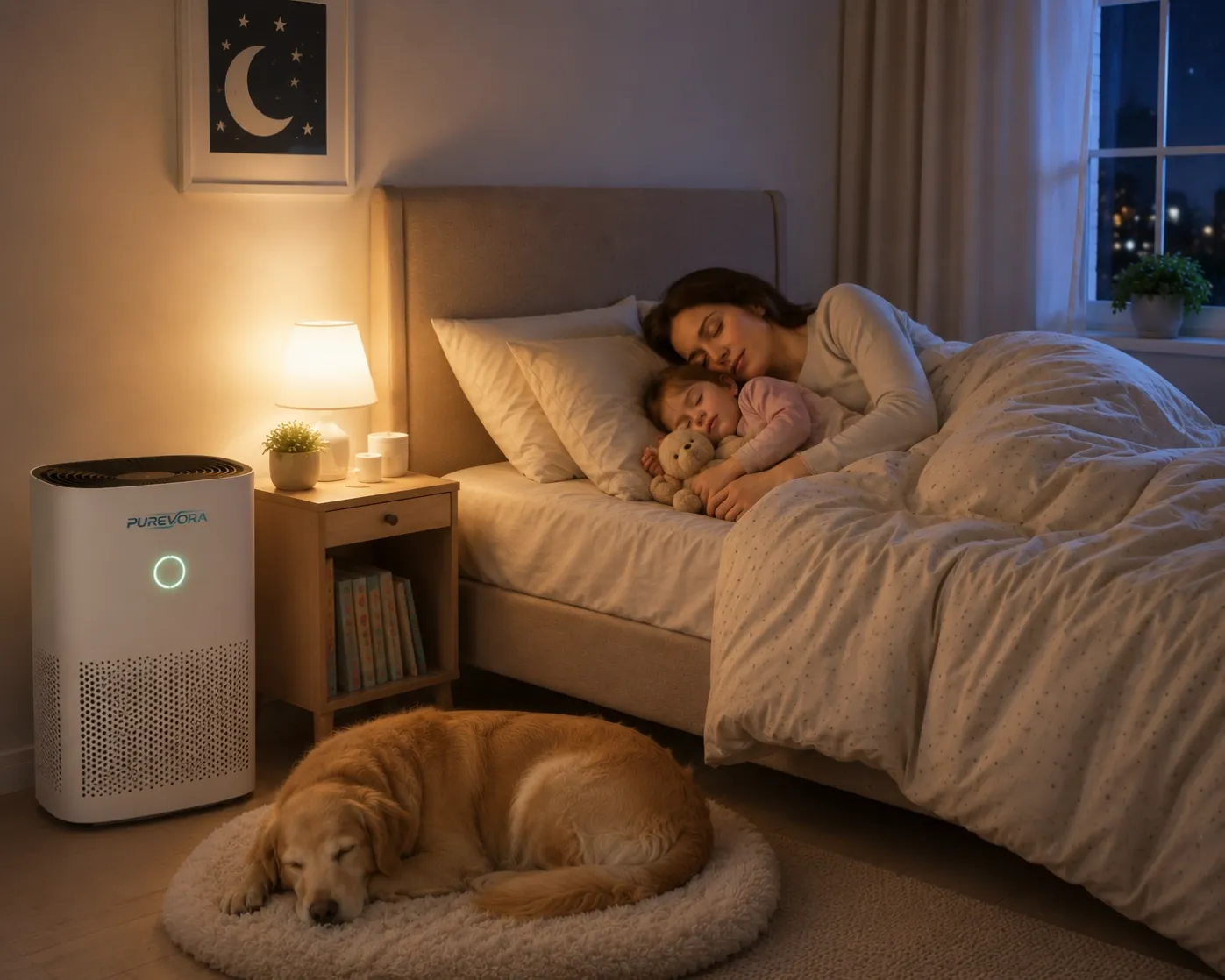
Cats and dogs continuously shed hair and microscopic skin particles known as pet dander. These particles can remain suspended in the air for extended periods and may contribute to allergies or respiratory discomfort.
A cleaner air environment helps reduce airborne pet-related particles and improves overall comfort for everyone in the household.
4. Improved Sleep Comfort
Fresh, clean air contributes to a more pleasant sleeping environment. Eliminating stale air, odors, and airborne contaminants can make the bedroom feel fresher and more relaxing.
When your bedroom feels cleaner and more comfortable, it becomes easier to unwind and prepare for restful sleep.
5. Better Morning Energy Levels
Quality sleep is directly linked to daytime performance.
People who sleep well often report:
- Improved concentration
- Better mood
- Increased productivity
- Higher energy levels
- Enhanced overall well-being
Maintaining cleaner indoor air can support the conditions necessary for restorative sleep and better daily performance.
Common Signs Your Bedroom Air Quality May Need Improvement
You may benefit from improving your indoor air quality if you regularly experience:
- Waking up with a stuffy nose
- Dry throat in the morning
- Frequent sneezing indoors
- Persistent dust accumulation
- Pet odors
- Difficulty sleeping comfortably
- Increased allergy symptoms at night
If several of these issues sound familiar, your bedroom air may contain higher levels of airborne pollutants than you realize.
How to Improve Air Quality in Your Bedroom
Open Windows Regularly
Allow fresh outdoor air to circulate whenever weather and local air conditions permit.
Keep Your Bedroom Clean
Regular vacuuming, dusting, and washing bedding can help reduce dust mites and allergens.
Control Humidity Levels
Maintaining humidity between 40% and 60% can help reduce mold growth and improve comfort.
Reduce Indoor Pollutant Sources
Choose low-VOC furniture, paints, and household products whenever possible.
Use an Air Purifier
One of the most effective ways to improve bedroom air quality is by using a high-quality air purifier.
Air purifiers equipped with True HEPA filters can capture fine airborne particles such as:
- Dust
- Pollen
- Pet dander
- Airborne allergens
- Fine particulate matter (PM2.5)
Models that include activated carbon filtration can also help reduce household and pet odors, creating a fresher sleeping environment.
Why Air Purifiers Are Especially Helpful for Pet Owners
Pet owners often face additional air quality challenges due to pet hair, dander, and odors.
An air purifier designed for pet-friendly homes can help:
- Reduce airborne pet hair
- Capture pet dander
- Minimize odors
- Improve indoor freshness
- Create a cleaner sleeping environment
This is particularly beneficial for households with multiple pets or family members who are sensitive to allergens.
Final Thoughts
Good sleep begins with a healthy environment, and air quality plays a bigger role than many people realize.
By reducing airborne pollutants, allergens, and odors, you can create a cleaner, fresher, and more comfortable bedroom that supports deeper and more restorative sleep.
Whether through better ventilation, regular cleaning, or the use of a high-quality air purifier, improving indoor air quality is an investment in both your sleep and your overall well-being.
After all, every breath you take while sleeping contributes to how you feel when you wake up.